Home › Explainers › How full flaps can stall an iced tail
The short version
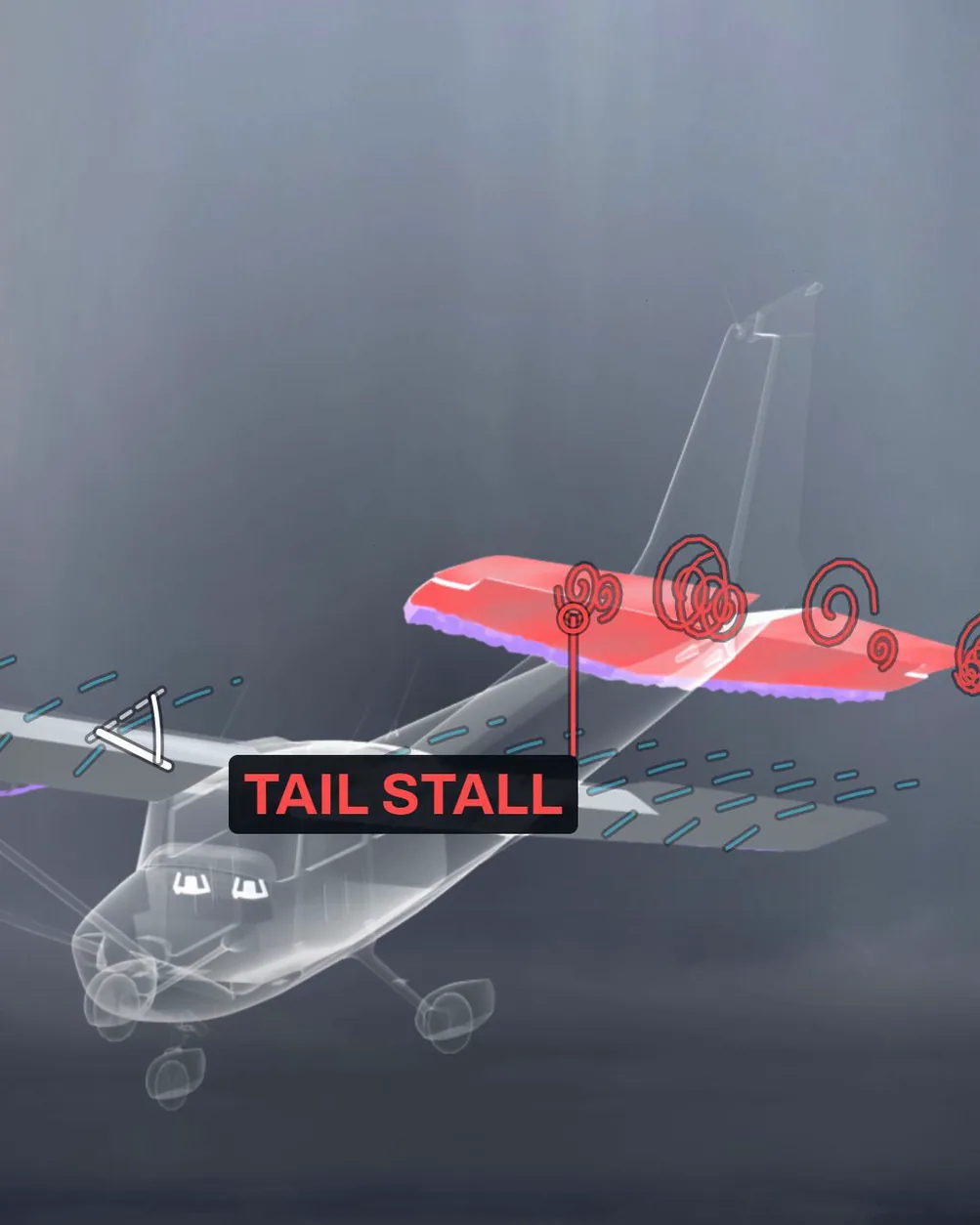
Your horizontal tail holds the nose up by lifting downward. Lowering the flaps makes the air meet it more steeply. With ice on the tail, full flaps can push it past its own stall, and the nose drops.
To recover, put the flaps back where they were and hold back pressure. Then fly the speed that flap setting needs, with only the power it takes.
Why the tail pushes down
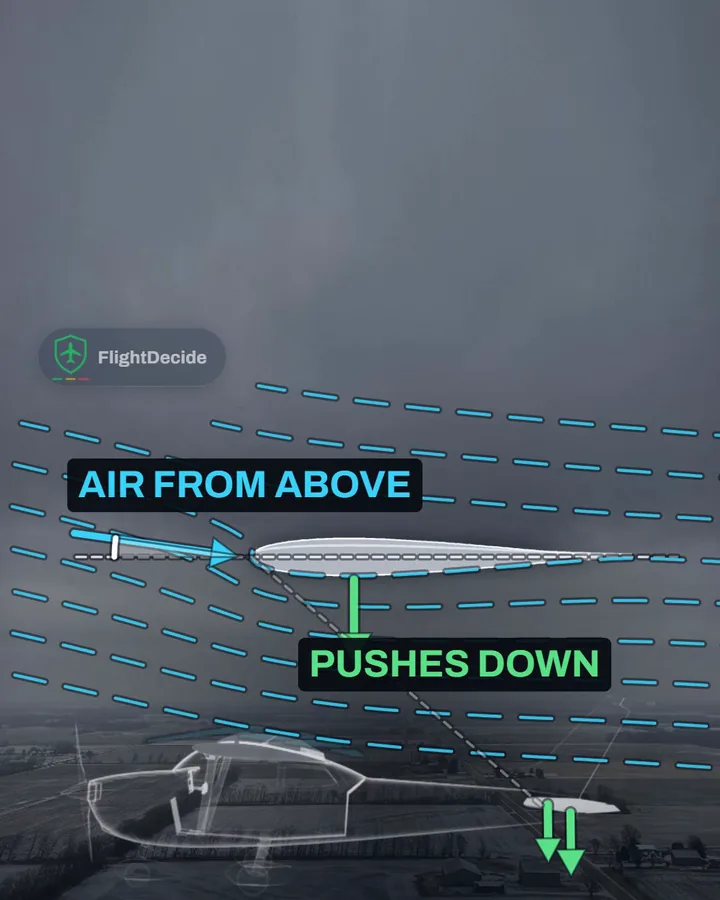
Most airplanes balance on a center of gravity, their balance point, that sits ahead of the wing's center of pressure, where its lift acts. With the weight ahead of the lift, the nose tries to drop.
The horizontal tail holds against it. Its air meets it from above, at a negative angle of attack, the angle between a surface and the air meeting it. So it works like a small wing lifting downward.
What flaps and speed do to the tail
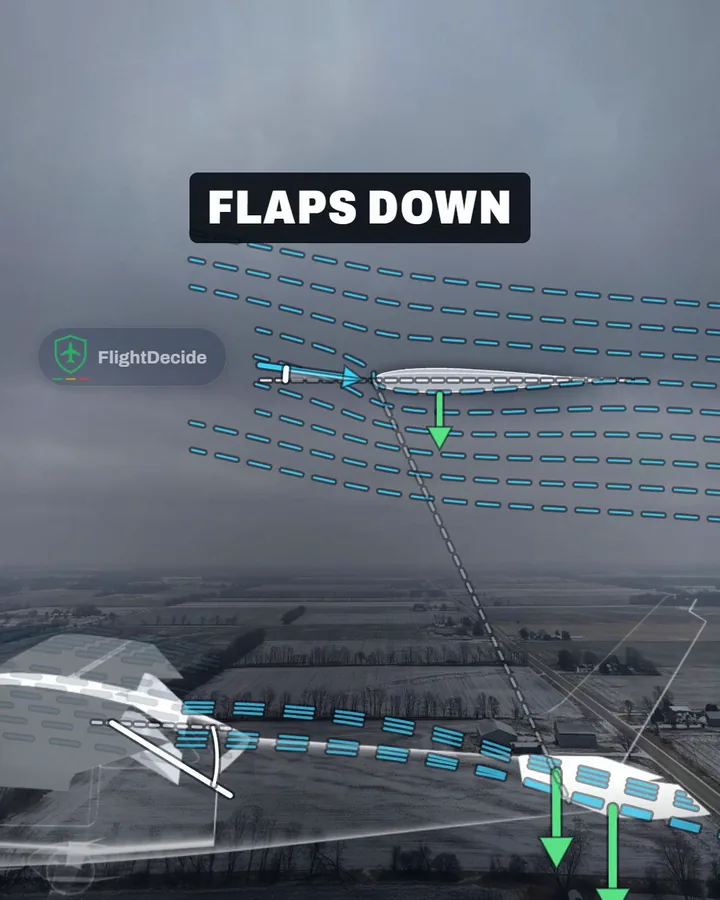
Lower the flaps and the wing throws its air down harder. That downwash, the air the wing pushes down behind it, now reaches the tail at a steeper angle.
The tail's negative angle of attack grows, bringing it closer to its own stall. The flaps do the opposite for the wing, which can now fly at a smaller angle of attack, farther from a wing stall.
More speed does the same to the tail as flaps do. At higher speed the wing needs a smaller angle of attack, so the nose sits lower and the tail meets its air more from above. So lowering the nose to gain speed steepens the tail's angle, which is why a tail stall's fix differs from a wing stall's.
How ice brings the tail's stall closer
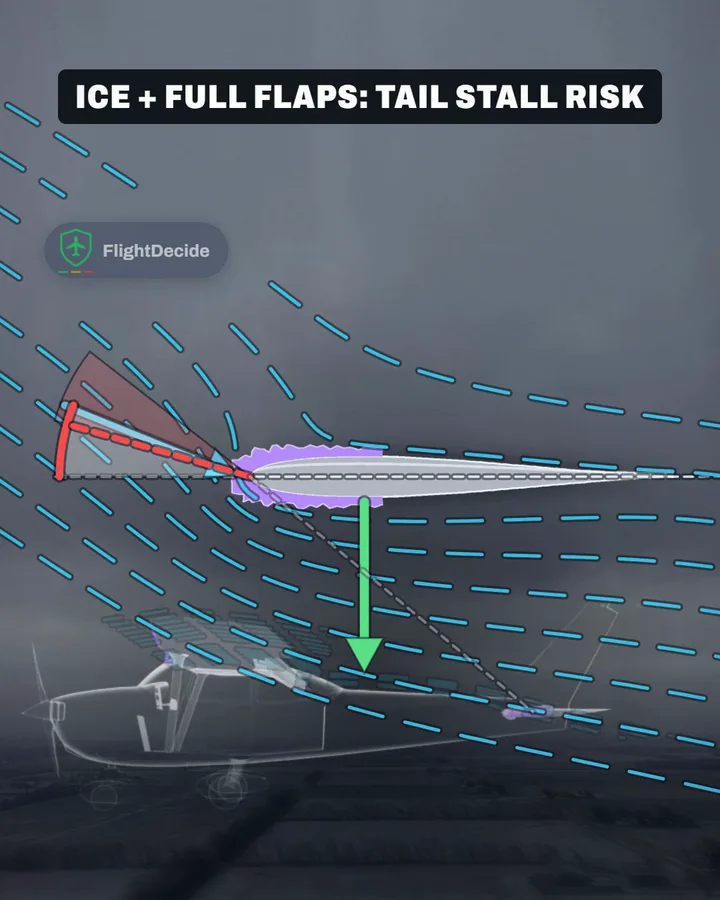
The tail is thinner than the wing, so it collects ice faster. On most airplanes you can't see it from the seat.
Even a little ice can cut a surface's maximum lift and lower the angle of attack at which it stalls. On the tail, that moves the stall closer to where the tail already works.
So a tail stall usually comes right after the flaps go to full, and there are no known cases in cruise.
How a tail stall feels
Right after the flaps go down, hints can come first. Watch for a pulsing yoke, an abnormal nose-down trim change or odd pitch bobbing.
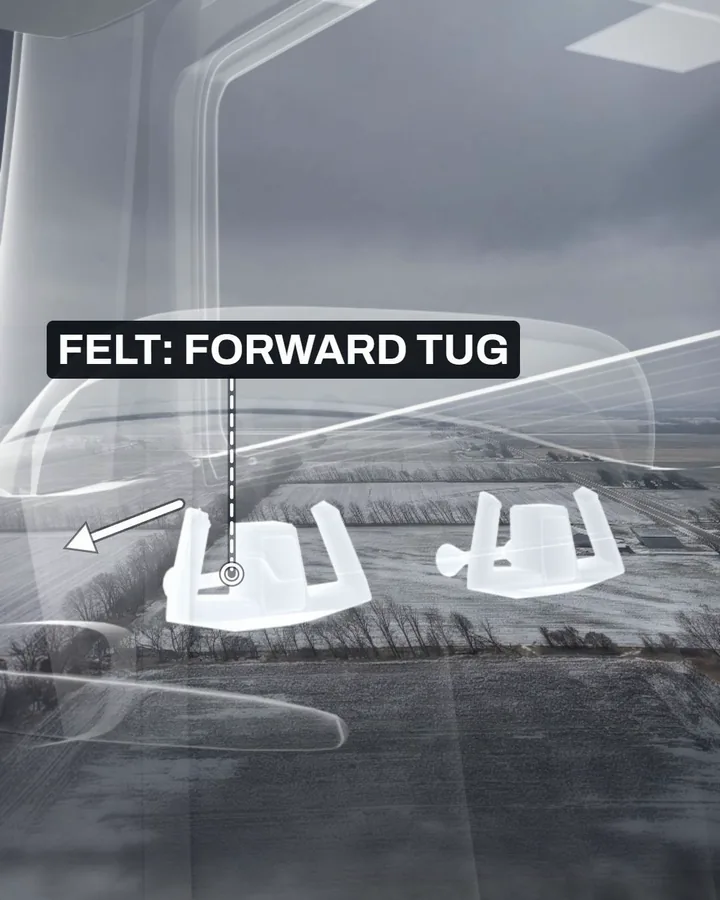
When the tail stalls, the airflow breaks away from it and its downward push fades. The nose pitches down on its own, and the elevator gets weak or stops working.
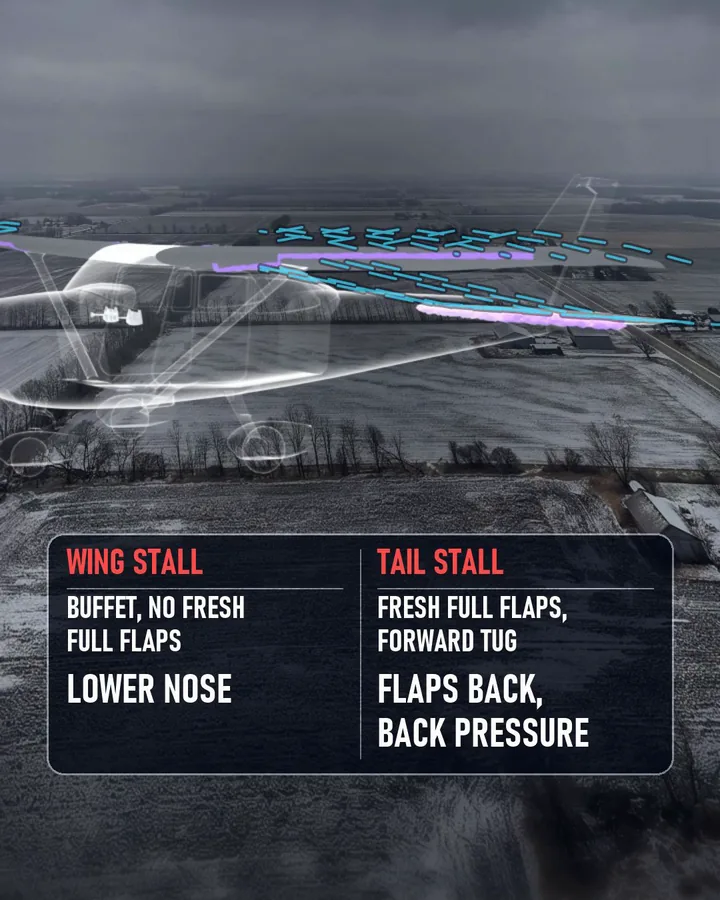
The control force changes suddenly, and left alone, the yoke would move forward, nose-down. A wing stall can come at any flap setting and may shake the airframe with buffet, the shudder as its airflow breaks away. With ice, that warning can come late or not at all.
Four mistakes in an iced airplane
Get out of icing at once in a 172, which isn't approved for flight in icing. Turn on the pitot heat, which keeps the airspeed probe clear, then turn back or change altitude.
Land an iced 172 with the flaps up, because flaps with ice on the tail can cost elevator control. Approach at 65 to 75 knots indicated, faster with more ice, and expect a higher stall speed and a longer landing roll.
Bring the flaps back up to their previous setting at once, rather than leaving them down, and resist the yoke's forward pull. Then fly the airspeed that setting needs, with enough power for it, making any nose-down change slowly. High power can make it worse in some designs, so follow your airplane's manual.
Treat a buffet as a wing stall unless you have just lowered full flaps. Most icing accidents have been wing stalls, and their recovery lowers the nose. Using the wrong recovery can seriously worsen the upset.
Check yourself
1. What do you do first if the yoke tugs forward and the nose drops just after you lower full flaps with ice aboard?
2. Which stall do you suspect when you feel a buffet in icing with the flaps still up?
3. Why might the tail carry more ice than the wing you can see from your seat?
4. How do you set the flaps and the approach speed for landing a 172 with ice on board?
Answers
1. Put the flaps back to the previous setting and hold back pressure. Then fly the speed that setting needs, with the power for it.
2. A wing stall, since you haven't just lowered full flaps. Lower the nose.
3. The tail is thinner, so it collects ice faster, and on most airplanes you can't see it.
4. Flaps up, and approach at 65 to 75 knots, faster with more ice. Expect a longer landing roll.
Where to read more
Everything above rests on these sources.
- Instrument Flying Handbook (FAA-H-8083-15), Chapter 4
- AC 91-74
- Cessna 172S Pilot's Operating Handbookthe aircraft's own handbook
Keep reading
- ExplainerThe stall that turns into a spin
- ExplainerWhich way the trim tab moves
- ExplainerFreezing level inside a cloud layer

Score the next flight before you go
FlightDecide reads the weather, the NOTAMs, your fuel and your weight and balance for the planned window, then scores them into a go / no-go call you can check against the raw data.
Get FlightDecide on the App StoreEducational content for pilots. It is advisory only and not a substitute for an official weather briefing, your POH, or your own judgment as pilot in command (14 CFR 91.3). The sources this explainer rests on are listed above.
Picture credits: 3D model: “Cessna172” by KOG_THORNS (sketchfab.com), CC BY 4.0, modified.